
Ruth Curtice has been Chief Executive of the Resolution Foundation since January 2025. She was elected to the Fellowship of the Academy in autumn 2026.
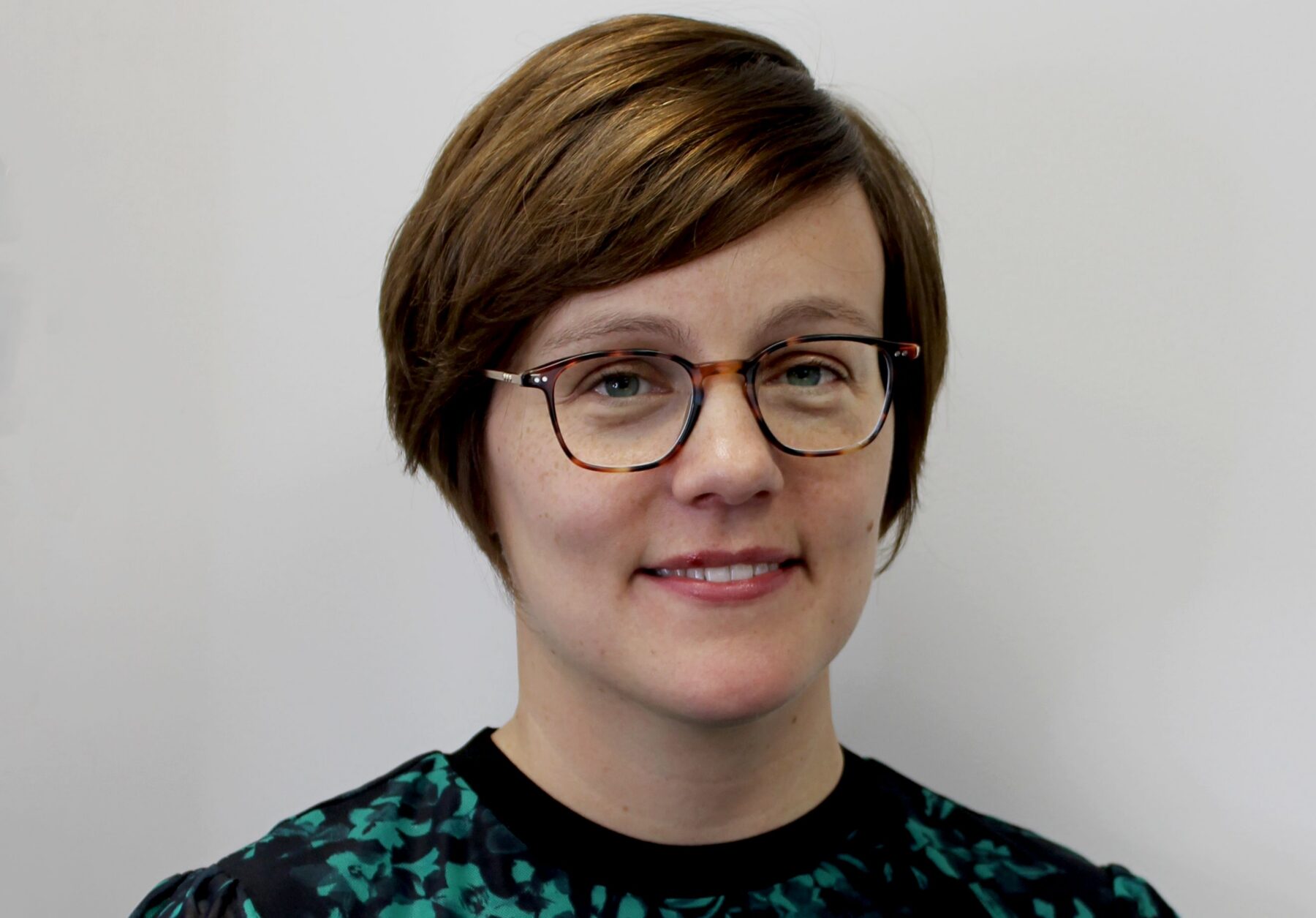
Ruth CurticeFAcSS
Ruth leads the Foundation’s research and policy work on how to lift living standards in the UK particularly for households with low and middle incomes; those on low pay or in precarious work; and those vulnerable to financial shocks. Ruth regularly chairs the Foundation’s wide programme of events, engages with politicians from across the political spectrum, and is a guest on TV and radio.
Ruth was previously Director of Fiscal Policy at HM Treasury (HMT) where she worked for over 15 years. Her career has focused on domestic economic policy including labour markets, tax, fiscal policy and financial regulation. Ruth has held a wide range of roles in HMT, including working in the Chancellor’s private office.
Why do the social sciences matter?
The social sciences are what enable us to understand how people are living now, and how everything from their work, housing, familial responsibilities, to their financial position is changing. Throughout my career, my focus has been on thinking about how we can bring insights from economic data together with policy work to ensure policy decisions simultaneously reflect the challenges people face and the government resources available. I believe that the careful work of economists and social scientists plays a vital role in informing public discussion and making those in power more accountable for the consequences – positive or otherwise – of their choices.
What do you enjoy most about your work?
I am fortunate enough to work in a role where I am tasked with bringing our research to a very broad audience and also get to see the direct impact of the analysis we do. It is only by bringing different groups together that we can develop effective policy improvements. I particularly enjoy digging into data to see where it does and doesn’t coincide with theory or dominant narratives.
At the start of this year, we published a book – the culmination of a two-year research project combining qualitative and quantitative methods – that examined how the lives of lower income household in Britain had changed. This work allowed us to tell a far more accurate story of the economic circumstances of these families, which have shifted in a number of overlooked ways since the early 2000s. From this we were able to identify current pressure points – especially around work, caring obligations, and ill-health – and begin the work of formulating policy solutions that would address these pressures.
What is the most urgent issue social scientists need to tackle today and within the next three years?
The collapse in UK living standards growth since the financial crisis has been at the heart of our economic, fiscal and political challenges. It will need solutions from across the social sciences. The high inflation we’ve seen in the past few years, and in particular the rises in energy bills, has meant that issues around the cost of living have really risen up the political agenda. But lying behind the immediate pressure families have faced is a much deeper and long-term slowdown in income growth. Looking at the decades pre-crash, it took the poorest half of working-age families 40 years to see their incomes double. We calculated that on the trend we’ve seen from 2004-05 and 2023-24, a further doubling for these households would take over 130 years.
A major factor in this living standards squeeze has been the concurrent slowdown in productivity in the years since the financial crisis, with subsequent shocks (Covid, Brexit, the war in Ukraine) hampering our recovery. We think there may be some positive signs on UK productivity growth, but ensuring this continues – and everyone benefits – is vital. On top of this, we’re also seeing the economic effects of an ageing and increasingly ailing population, while shocks like Covid and rising geopolitical instability have put further pressures on state spending. This means that on top of ensuring broad-based shared prosperity, we also need put the public finances on a stable footing for the long-term. It’s too early to say exactly how AI will affect living standards, but we are just starting several programmes of work to understand the potential impact of AI on the labour market, government finances, and the economy at large.
What does being a Fellow of the Academy of Social Sciences mean to you?
I am especially grateful to be welcomed to the Academy as someone whose career focus has been policy solutions rather than academic research. I am looking forward to exploring what more I can do to ensure policy decisions and debates are informed by the latest insights from the social sciences.