Professor Simon Hunter was conferred to the Fellowship of the Academy in autumn 2026.
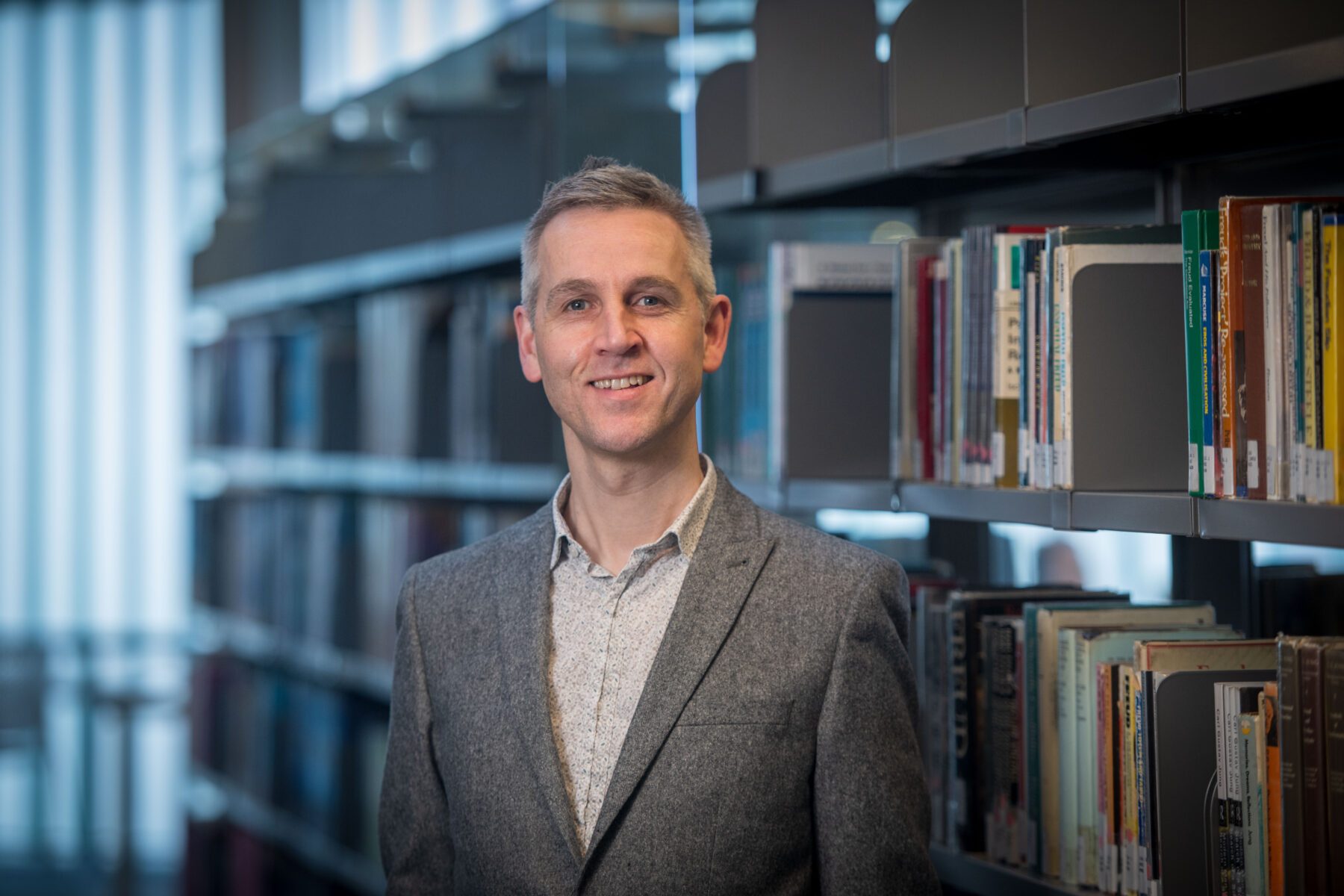
Professor Simon HunterFAcSS
He is a Professor of Applied Psychology at Glasgow Caledonian University, an Adjunct Professor at the University of Western Australia, and is an Associate Member of the Centre for Health Policy at the University of Strathclyde. A psychologist, Simon’s research focuses on the ways in which aggression and discrimination are experienced and how we can best understand their relationships with mental health.
Simon uses both quantitative and qualitative research methodologies to better understand the determinants of mental health. This involves collaborations with colleagues across the world on work relating to the stigma experiences of people reporting poor mental health and mental illness as well as young people’s peer-victimisation and use of screens. He works closely with the third sector and with charities, notably the Mental Health Foundation, See Me, and RespectMe. Work conducted with these colleagues has directly impacted Scottish Government policy.
Why do the social sciences matter?
Difficulties faced by people living in challenging circumstance need to be understood within a broad societal, and indeed global, context. The social sciences help us to achieve this and can provide complex insights that help to drive meaningful policy change. In this way, realistic and impactful change can be affected that brings together academics and a diverse array of external partners.
What inspires you about your work?
I really enjoy working with colleagues and partners in ways that bring research to life. This includes colleagues like See Me conducting events that bring research to the attention of both policymakers and the public, though can also involve academics developing innovative ways to tackle societal issues. At the same time, working with students and early career researchers is important to me because it allows me to mentor the emerging research generation while also keeping my own ideas and approaches constantly evolving.
What is the most urgent issue social scientists need to tackle today and within the next three years?
For me, this is the mental health and wellbeing of children and young people. Understanding and tackling this effectively can improve the life chances of generations of people now and in the future.
What does being a Fellow of the Academy of Social Sciences mean to you?
For me, becoming a Fellow of the Academy of Social Sciences is recognition of both my work and the work of everyone who I have collaborated with over the last 30 years. I look forward to working with the Academy and trust that I can help it while it helps me.