
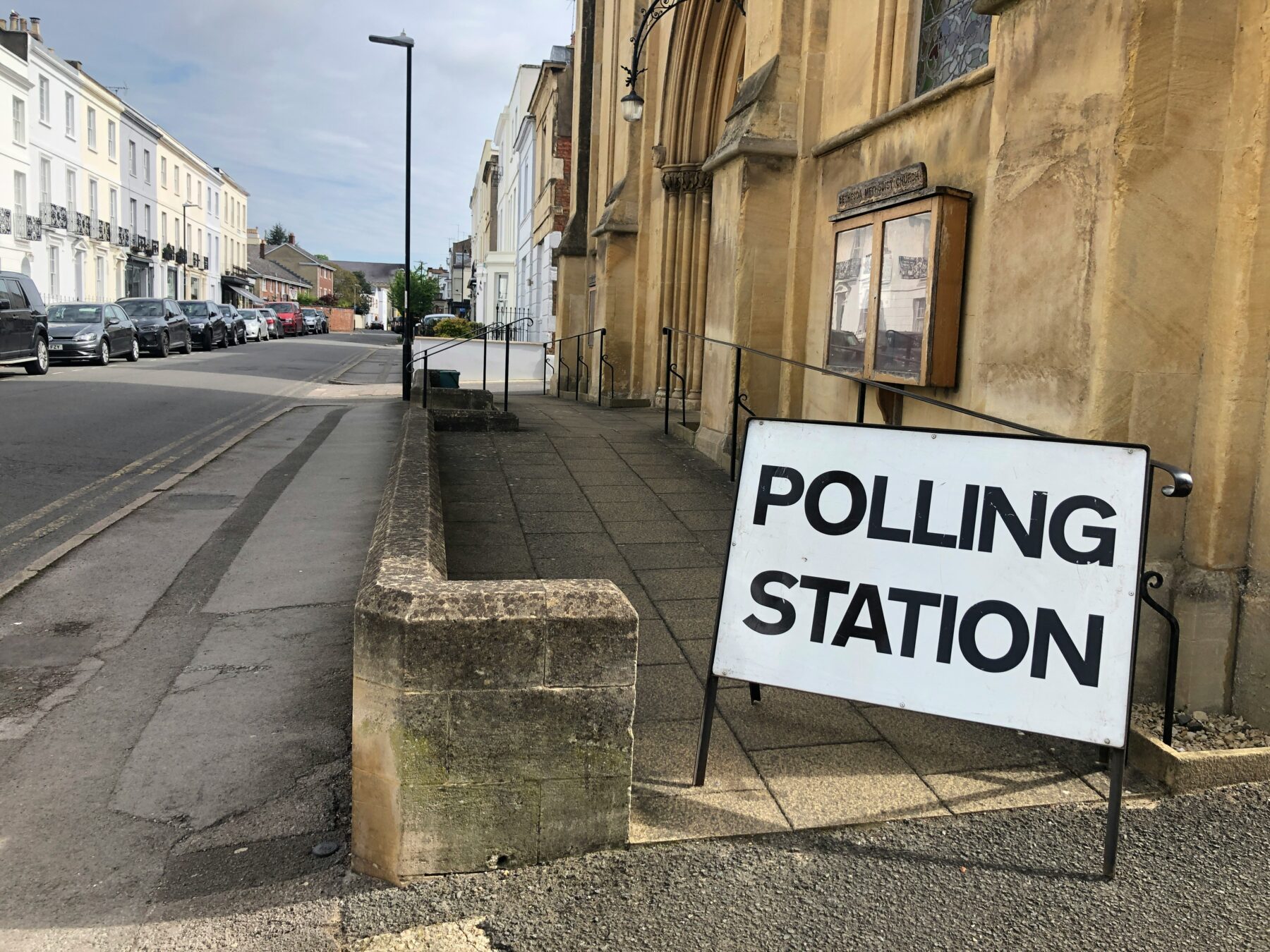
Elections in Scotland and Wales: Leading the Way for Two Decades, but Work Needed on Transparency
With elections underway to the devolved parliaments in Scotland and Wales, now is an apt time to consider electoral integrity and transparency issues in both countries. In many ways, Scotland and Wales have led the way in several aspects of electoral law and integrity in recent years in the UK. However, there is a gap in this picture regarding transparency issues around party donations and election spending. These remain less transparent in devolved elections than in general elections to the House of Commons.
Two Decades of Innovation?
The 2007 Scottish parliament election was a key motivating event for developments in Scottish electoral administration. A change to ballot papers to deal with the perception that regional list MSPs were somehow ‘second class citizens’ led to large numbers of spoiled ballots in that contest. The subsequent 2007 Gould report into this unfortunate incident found that ‘almost without exception, the voter was treated as an afterthought by virtually all the other stakeholders’.
Gould made recommendations which have impacted the conduct of Scottish elections ever since. Key among these changes was the establishment of a Scottish Electoral Management Board (EMB) in 2008. The EMB’s chair is a senior Scottish returning officer (RO). They have responsibility for issuing directions to electoral registration and returning officers where necessary to ensure consistency of service to voters in Scottish local government and parliament elections. The EMB is independent and has gradually accrued powers and status. Its chair was Chief Counting Officer during the high-pressure 2014 Scottish Independence Referendum. It was recently given full legal status in 2025.
Social science evidence has suggested that Scottish electoral administration has performed well since the EMB was set up. My own research found Scottish ROs scoring highest on an index of electoral performance when compared across all types of British councils in the 2010 general election. Through a different expert survey method, Toby James and colleagues found that Scotland had the highest quality elections of the four countries in the UK. Fisher and Sällberg found that political parties’ constituency election agents also rated Scottish, and Welsh, electoral administration highly. Scotland has also benefited from higher levels of electoral administration spending in general elections, although the Scottish government has not yet published equivalent data for Scottish elections.
Election Policy Learning
Electoral law has been more expansive in Scotland. The 2014 Scottish Independence Referendum extended the franchise to 16–17-year-olds, something which was extended to local and Scottish parliament elections from 2016 onwards. Research has suggested that this has had benefits for turnout within younger age groups over the longer term. Scotland also now has what might be termed resident voting, where franchise rights are based on residency rather than nationality, while candidacy rights have also been extended to those with limited right to remain in terms of their immigration status.
There has clearly been policy learning between the devolved institutions. In Wales, the shift to a reserved powers model of devolution in 2018 was important from the electoral management standpoint. The Senedd and Elections (Wales) Act 2020 followed Scotland in reducing the voting age to 16 for Welsh parliament and local elections. It also extended the franchise for those elections to resident foreign nationals. Wales has also allowed its local authorities to choose the single transferable vote (STV) for their elections, although none have yet done so. In 2025, Wales set up its own EMB, albeit under the auspices of another longer established electoral body, the Democracy and Boundary Commission Cymru.
In other aspects, Wales has led this innovation in electoral practice in the devolved institutions. In 2026, the Senedd legislated to outlaw lying in election campaigns, something that is likely to be in effect for the next devolved elections in 2031. In a crucial administrative innovation, Wales trialled automatic voter registration in four areas in 2025, something the Electoral Commission’s evaluation estimated had added around 14,000 voters to the registers. Scotland has watched this with some interest.
Transparency
There is nevertheless one area where Scotland and Wales have lower standards in election regulation than those required for Westminster elections. This is in transparency over campaign donations and spending during parliamentary elections.
For UK general elections to the House of Commons, political parties must report donations, loans and spending to the Electoral Commission weekly. This is not the case for contests to Holyrood or Cardiff Bay. Donations, loans and campaign spending remain on the normal three-monthly reporting pattern that also applies outside election periods. In other words, Scottish and Welsh voters will not know about donations and party spending until sometime after the election campaigns for their parliaments.
This will have been an oversight in the original legislation governing election campaigns and donations. The Political Parties, Elections and Referendums Act dates to 2000 when the devolved institutions were in their infancy.
The Scottish parliament’s Standards, Procedures and Public Appointments Committee examined this issue in its Stage 1 scrutiny of the Scottish Elections (Representation and Reform) Act 2025. It recommended that ‘the Scottish Government undertakes further work with stakeholders to bring the reporting regime for Scottish Parliament elections into line with the regime for UK Parliament elections’. The Scottish government response suggested some difficulties for political parties in changing these requirements, and this was not done.
There was however a commitment to consider this issue further. This needs to be done with some urgency by the new Scottish, and Welsh, governments. Both parliaments now have significantly more powers than when they were established. They are the centre of political life in both countries.
Significantly, both countries have experienced issues around money in politics in recent years. This undermines trust. This difference in reporting therefore seems an increasingly unsustainable anomaly in countries which have tended to pride themselves on being more democratic than the UK parliament. In this area, they are not.
Parties will not like this suggestion. But given that political parties in both countries already comply with weekly reporting requirements for UK general elections, there is no obvious or insurmountable reason for them not being able to also comply with such requirements for devolved parliamentary contests.
Voters in Scotland and Wales deserve no less transparency for their major elections than UK voters have for the House of Commons. Quick action on added transparency would be a good way for both post-election First Ministers to mark a break with the past and bring this aspect of electoral regulation into line with the progress made in other aspects of electoral administration.
About the author
Alistair Clark is Professor of Political Science at Newcastle University. He has written extensively on electoral integrity and administration, Scottish local elections and political parties. He is co-editor of the Hansard Society journal, Parliamentary Affairs, and a former Trustee of the UK Political Studies Association.
Photo Credit: Red Dot on Unsplash