
Professor Lucy Griffiths was conferred to the Fellowship of the Academy in autumn 2026. She is Professor of Paediatric Epidemiology at Swansea University, and Co-Director (Director of Research) of Administrative Data Research (ADR) Wales, a major research infrastructure enabling the use of population-scale administrative data to inform policy and public benefit.
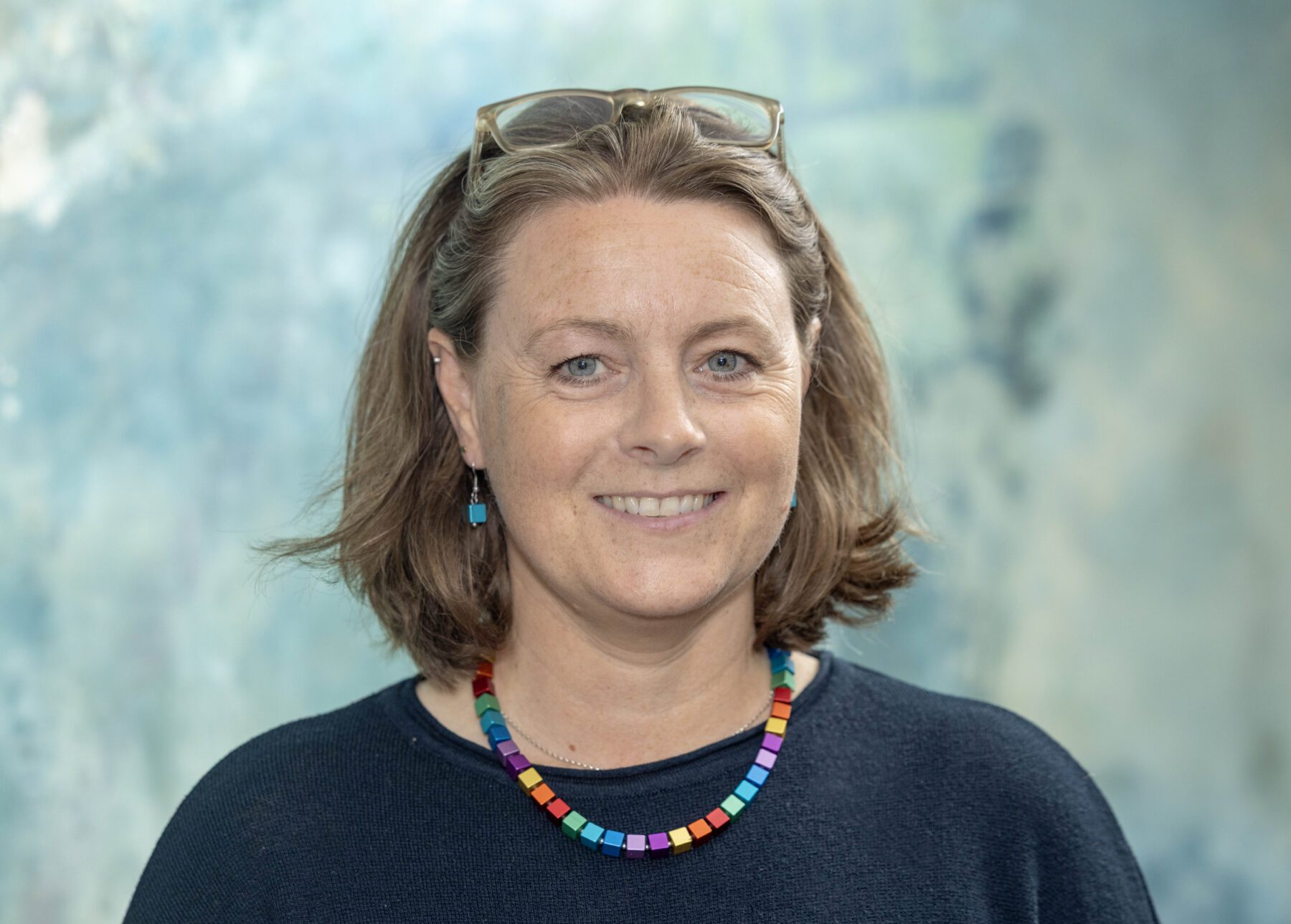
Professor Lucy GriffithsFAcSS
Lucy completed her PhD at the University of Bristol before moving to University College London in 2003, training in Epidemiology at London School of Hygiene and Tropical Medicine and then moving to Swansea University in 2018. Her career has focused on the social and environmental factors that shape the health and development of children and young people, with a particular emphasis on those experiencing disadvantage.
She has published over 100 peer-reviewed journal articles and 40 policy outputs, and co-edited the recently published book Born into Care: International Perspectives on the Removal of Babies at Birth (Policy Press, Bristol). She has secured UKRI and other funding for national and international collaborative projects and contributes to UK data research infrastructure, supporting the development and use of linked national administrative and longitudinal datasets. She serves as Welsh Study Director for Generation New Era, the UK’s newest national birth cohort study.
Lucy is committed to capacity building and doctoral training, acting as Swansea University’s Academic Lead for the Welsh Graduate School of Social Sciences and having chaired UKRI fellowship programmes.
Why do the social sciences matter?
The social sciences bring together insights from multiple disciplines to help us understand and respond to complex societal challenges. I’m interested in the lives of children and young people, and the social sciences help me understand them more fully: not in isolation, but as part of their families, their communities and the wider world around them. All of this shapes how they grow up and their development and life chances. This understanding generates evidence on need and on what works, which, when communicated effectively to policymakers and practitioners, can inform policies and services that protect children’s rights, promote their wellbeing, improve access to public services, and create opportunities for them to thrive and to reach their full potential.
What inspires you about your work?
What inspires me most is knowing our work can make a difference. With increasing access to linked administrative data, we have new opportunities to answer the most pressing societal questions and to generate evidence that can improve lives. We should never lose sight of both the responsibility and the privilege that comes with that.
I have been fortunate to have wonderful mentors throughout my career who have supported, taught, and shaped me. Their guidance has provided a strong foundation from which to support others, and I am now in the privileged position of helping colleagues develop their own work and realise their ambitions. I believe that the way we approach research and the relationships we build are as important as the work itself, and I enjoy supporting those training and working in the field, whether through mentoring, collaboration, or fostering a positive and supportive working culture. As a result, I am naturally drawn to working with people who share a common purpose and whose work and ambition I respect.
What is the most urgent issue social scientists need to tackle today and within the next three years?
One of the most urgent issues is the growing number of children experiencing poverty and multiple forms of adversity, and the long-term consequences this has for their lives.
Poverty is rarely an isolated challenge. For many children, it intersects with issues such as insecure housing, food insecurity, poor mental health, limited access to services, discrimination, and exposure to adverse childhood experiences. These factors shape children’s health, educational opportunities, and life chances, yet too many children continue to face barriers that are preventable.
The challenge is not simply to document these inequalities, but to generate robust evidence about what works to reduce them. This means understanding not only the risks children face, but also the protective factors that help them thrive despite adversity. It requires us to work across disciplinary boundaries and alongside children, families, practitioners, and policymakers to develop solutions that are effective and sustainable.
The experiences children have today shape not only their own futures, but also the wellbeing, prosperity, and resilience of future generations.
What does being a Fellow of the Academy of Social Sciences mean to you?
Being elected as a Fellow is an honour. It reflects the support, collaboration, and friendship of the many colleagues I have had the privilege of working with throughout my career.
Fellowship strengthens my ability to advocate for the importance of social science research and to champion the role of robust evidence in informing policy and practice. I will continue to support work that improves outcomes for children and families, and to help create opportunities for others in the field.