
Professor Rebecca Riley was conferred to the Fellowship of the Academy in autumn 2025. She is Deputy Pro Vice Chancellor for Regional Engagement and Co-Director of City-REDI at the University of Birmingham and is a leading voice in civic engagement, regional development, and innovation policy. As such, she has built a career dedicated to translating research into real-world impact, particularly through the lens of social science.
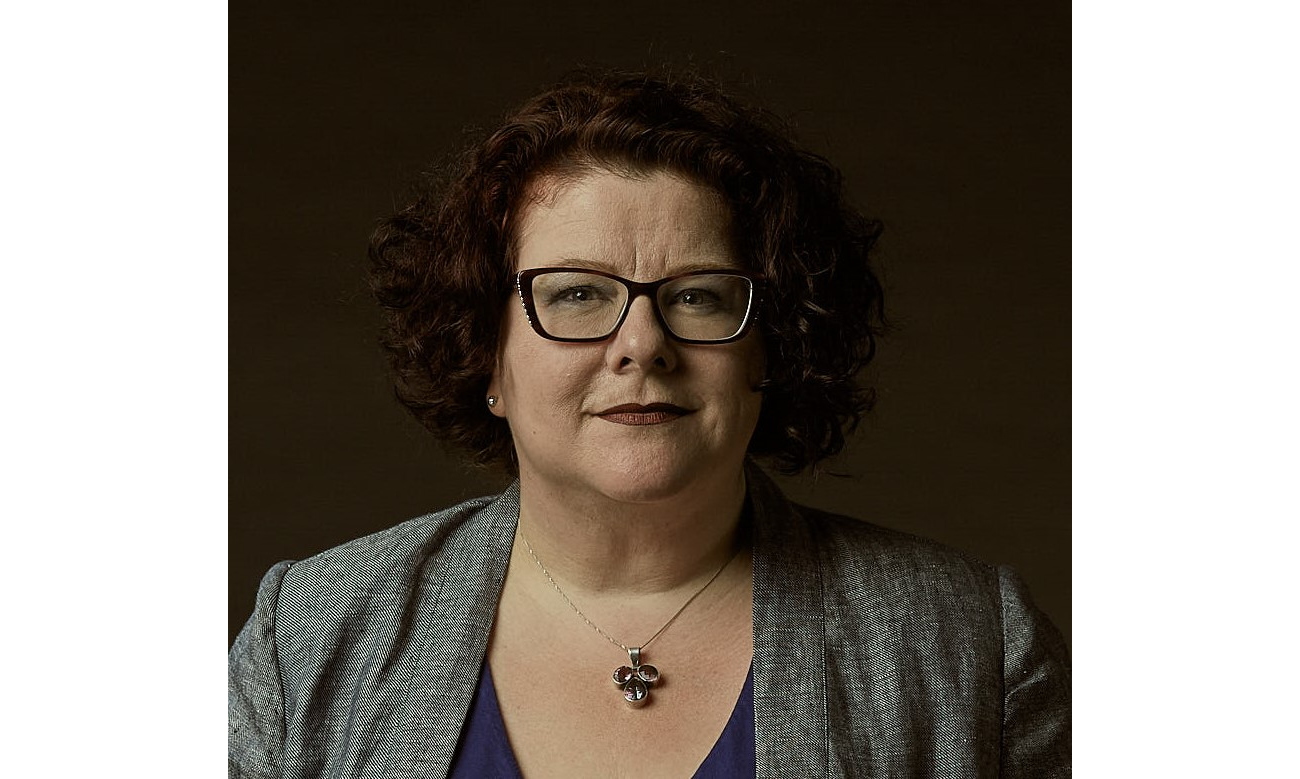
Professor Rebecca RileyFAcSS
Rebecca’s work is grounded in the belief that the social sciences matter because they help us understand people, places, and systems and how they interact. Her leadership at City-REDI has transformed the institute into a nationally recognised hub for place-based research, policy innovation, and civic collaboration. Under her guidance, the team has delivered over 200 projects and produced more than 600 research outputs, shaping local and national policy agendas.
Rebecca is Principal Investigator for the £3.6 million ESRC-funded Local Policy Innovation Partnership Strategic Hub, a national consortium advancing place-based policy through academic-public partnerships. She also chairs the HM Treasury Green Book User Group, influencing national investment guidance and leading workshops that shape policy development across the UK.
Her impact work has underpinned two REF impact case studies rated 3* and 4*, demonstrating her ability to translate academic insight into societal change. She has led national conversations on university impact, chaired policy forums, and advised UKRI, DSIT, and the Civic Universities Network on how universities can act as anchor institutions for inclusive growth. Rebecca is dedicated to driving positive change through her leadership at City-REDI, her strategic influence on national policy, and her dedication to mentoring the next generation of engaged researchers.
Why do social sciences matter?
My work is grounded in the belief that the social sciences matter because they help us understand how society functions and how it can function better. Social science is about people, places, and systems. It gives us the tools to understand inequality, design better public services, and build more resilient communities, all while ensuring that policy and practice are rooted in evidence and empathy. It’s not just about studying society it’s about shaping it, creating a better future for us all.
What do you enjoy the most about your work?
I really enjoy the collaborative nature of civic engagement. I love working across boundaries between academia, government, business and communities to co-create solutions. Seeing research make a tangible difference to people’s lives is incredibly rewarding. I also enjoy bringing people from all walks of life together to solve challenges facing society (or at least try!). Bringing people together from different disciplines and seeing the spark of ideas, new ways of working and cross pollination of approaches, facilitating and seeding this with new people who may not work that way, is exciting and to see the outcome of this and what can be achieved is an absolute joy.
What is most urgent issue social scientists must tackle today?
I think the most pressing issue is rebuilding trust in public institutions and democratic processes. We’re facing a crisis of confidence with many people feeling disconnected from decision-making. Social scientists have a vital role in bridging that gap, ensuring that policy is inclusive, transparent, and responsive to local needs.
Universities also have to respond to the perception that they are ivory towers removed from the communities in which they exist. The social sciences can help universities tell the story of the role they play in place and the impact they make on a daily basis. Whether that’s evaluating the impact of health programmes, the impact of business support, the opportunities higher education brings to individuals or how we help communities understand the issues they face and support them to deliver change, all these activities take social science knowledge. From carrying out economic impact assessments, to leadership development, to training community researchers, the social sciences can add value to parts of societal infrastructure and policy and this role needs to be communicated effectively to ensure faith is restored in academia and its role in society.
What does being a Fellow of the Academy of Social Sciences mean to you?
It’s an honour to be part of a community that champions the value of social science in shaping a better society. This fellowship reflects not just my work, but the incredible teams and partners I’ve collaborated with over the years. As someone with a different pathway into academia it is also amazing to have that experience recognised as valuable and that the Academy values the role of impact orientated research.